Start with Your Bike
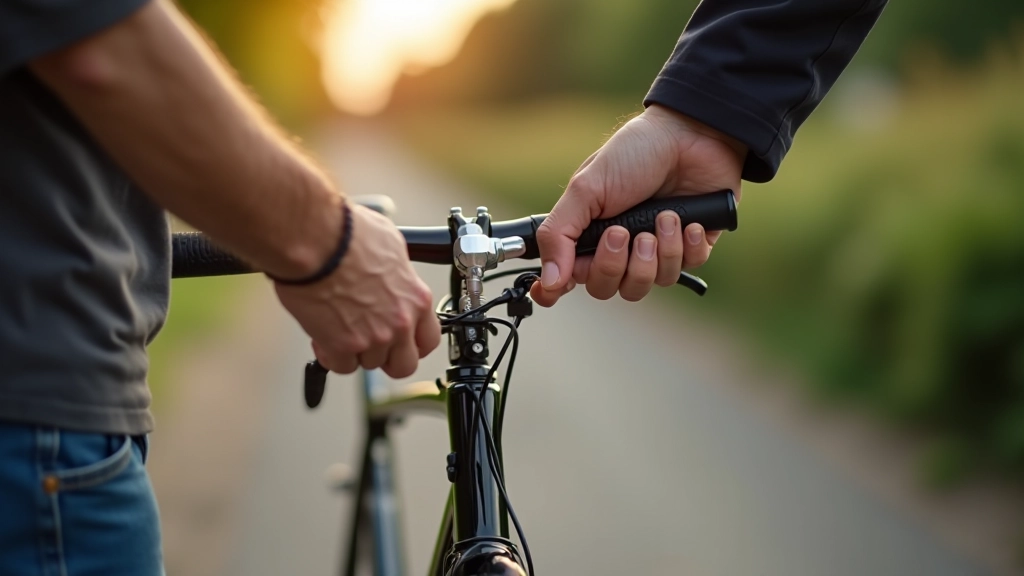
Before you hit the waterfront paths, your bike needs attention. Check your tire pressure — it should match the recommended PSI printed on the sidewall. Underinflated tires make pedaling harder and increase your risk of pinch flats on rough spots. We've seen riders neglect this and end up with a flat 3 kilometers from the nearest café.
Brakes are non-negotiable. Squeeze each brake lever and make sure your bike stops within a reasonable distance. If the levers feel spongy or pull all the way to the handlebars, they need adjustment. Don't wait — weak brakes can mean you can't stop when you need to around other cyclists or pedestrians on busy sections of the route.
Chain maintenance matters too. A dry, rusty chain wastes energy and can break unexpectedly. A quick wipe with a rag and a light application of chain oil takes five minutes but extends the life of your drivetrain significantly.
Quick Check List: Tire pressure, brake responsiveness, chain condition, seatpost tightness, handlebar alignment.
Important Note
This article provides educational information about cycling safety practices. It's not a substitute for professional bike maintenance advice. If you're unsure about any repair, consult a qualified bike mechanic. Individual circumstances vary — adjust these recommendations based on your specific bike, fitness level, and local conditions.
Weather Awareness & Timing
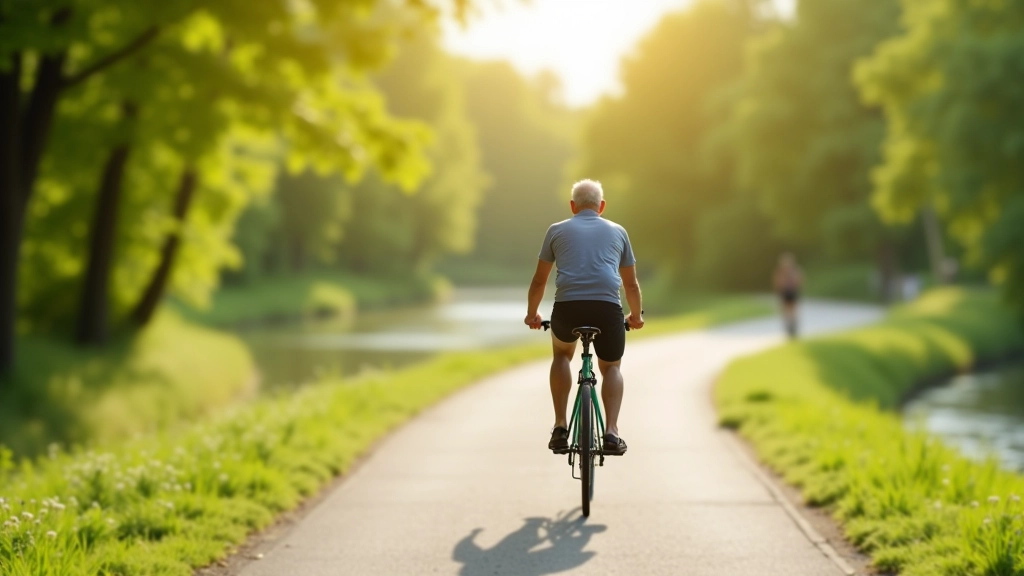
The Jelgava waterway can shift moods quickly. You'll notice wind patterns change based on the time of day — mornings tend to be calmer, afternoons can pick up. Check the forecast before you leave, but don't rely on it completely. Conditions along the water change faster than inland areas.
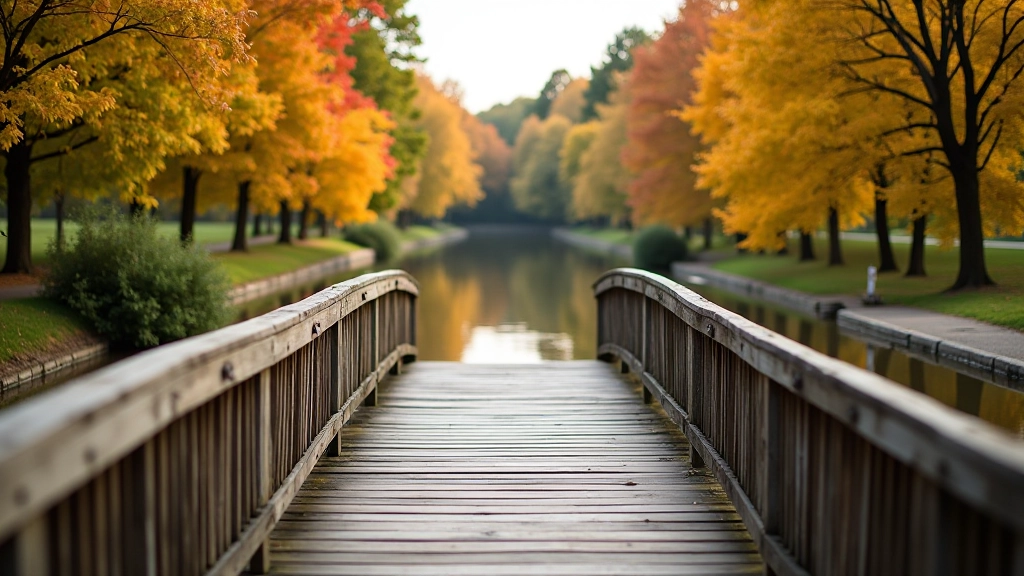
Rain isn't necessarily a reason to cancel. It's about preparation. Wet paths are slippery — especially the wooden sections near bridges — so ease off the brakes and slow your pace. Your tires grip better when you're not braking hard. We recommend starting your ride earlier on potentially wet days so you're off the path before dusk arrives.
Sun exposure is real. Even on cooler days, you're exposed to UV rays bouncing off the water. Apply sunscreen 15 minutes before heading out, and reapply if you're stopping for a long break. Sunburned skin makes every bump on the saddle uncomfortable.
Packing Smart for Longer Rides
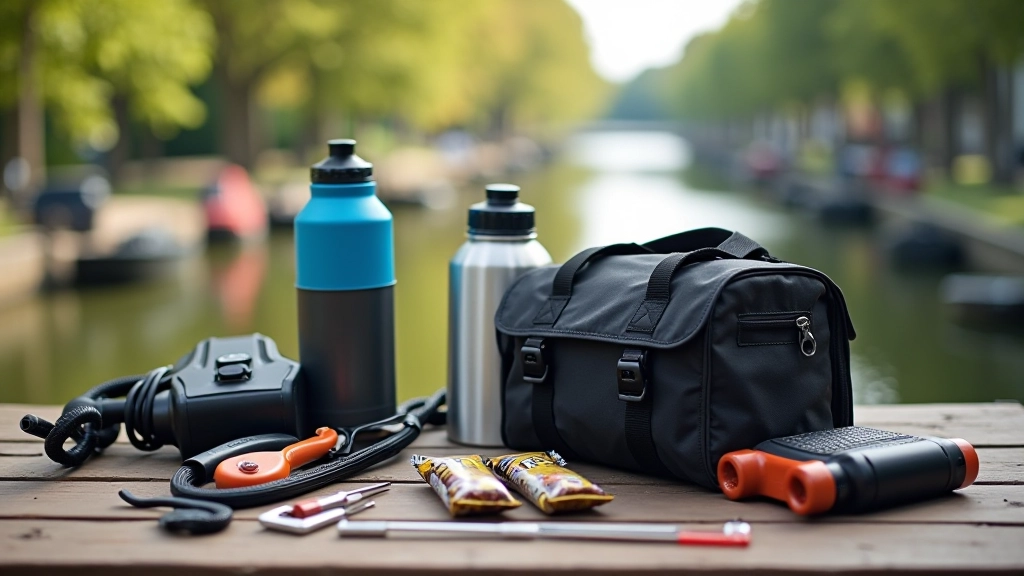
You'll be away from support for stretches of the route. Bring water — not just for thirst, but for cooling off if you overheat. A 750ml bottle is reasonable for a 2-3 hour ride. You don't need to carry a backpack if you attach a water bottle cage to your seatpost or use handlebar-mounted bottles.
A basic repair kit weighs almost nothing. Include a spare inner tube, tire levers, and a small multi-tool. These three items solve about 90% of mechanical issues that strand riders. If you're uncomfortable with repairs, practice at home first. Nothing's worse than a flat 4 kilometers from the nearest village with no idea how to fix it.
Snacks make a difference. Eat before you're hungry — that's the golden rule. A banana or energy bar every 45 minutes keeps your energy steady. Low blood sugar leads to poor decision-making, which leads to accidents.
ID and contact information matter. Carry your phone, or at least a small card with your name and an emergency contact. Sounds basic, but it's often overlooked.
Sharing the Path with Others
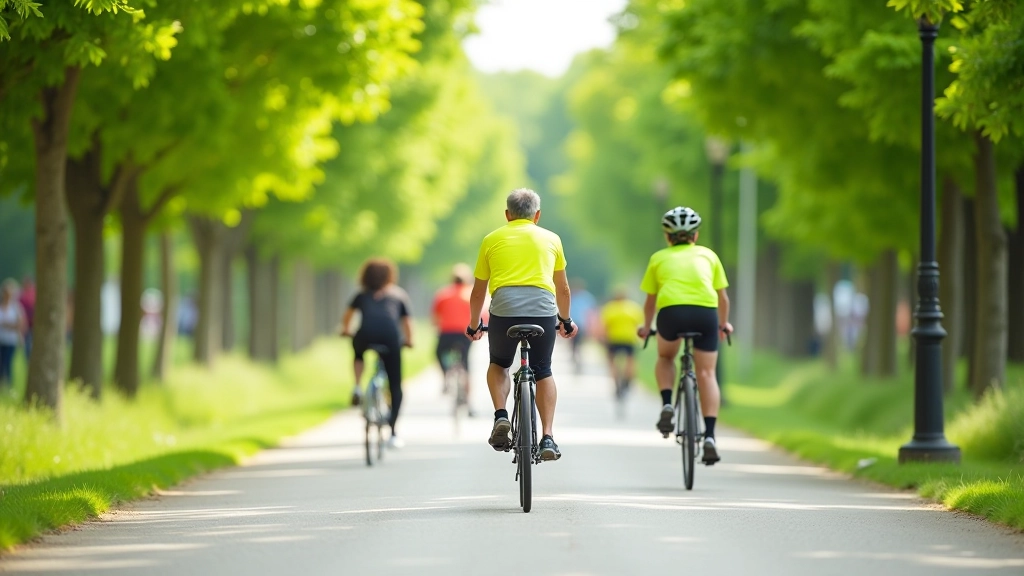
The Svēte bridge route and Jelgava waterway attract walkers, runners, and families with strollers. You're not alone out there, and that's actually a safety feature — more eyes on the path means someone notices if you have trouble. But it also means you need to be predictable.
Signal your intentions clearly. Slow down before you pass someone. A simple "excuse me" or a bell ring gives pedestrians time to move. Don't assume they hear you — earbuds are common. Make eye contact if you can, or wait for them to notice you. Patience saves incidents.
Stay visible. Bright clothing isn't just for style. Early morning or late afternoon rides benefit from a reflective vest or light-colored jacket. A small front and rear light costs under €15 and makes you visible to anyone ahead or behind you. We're not talking about highway traffic here, but visibility still matters.
Fitness and Pacing
The paths are flat — that's why they're perfect for seniors — but flat doesn't mean effortless. Your fitness determines how far you can safely ride. Start conservatively. A 10-kilometer ride at an easy pace is better than pushing for 20 kilometers and arriving exhausted.
Know the difference between muscle fatigue and pain. Fatigue feels like heavy legs after sustained effort. Pain is sharp, localized, and tells you something's wrong. If you feel knee pain, lower back pain, or wrist pain, stop and assess. Continuing through real pain leads to injury that takes weeks to heal.
Stretching before and after helps. Five minutes of gentle hamstring and hip stretches before you ride prepares your muscles. After your ride, another five minutes of stretching reduces soreness the next day. It's not glamorous, but it works.
The Essentials Summary
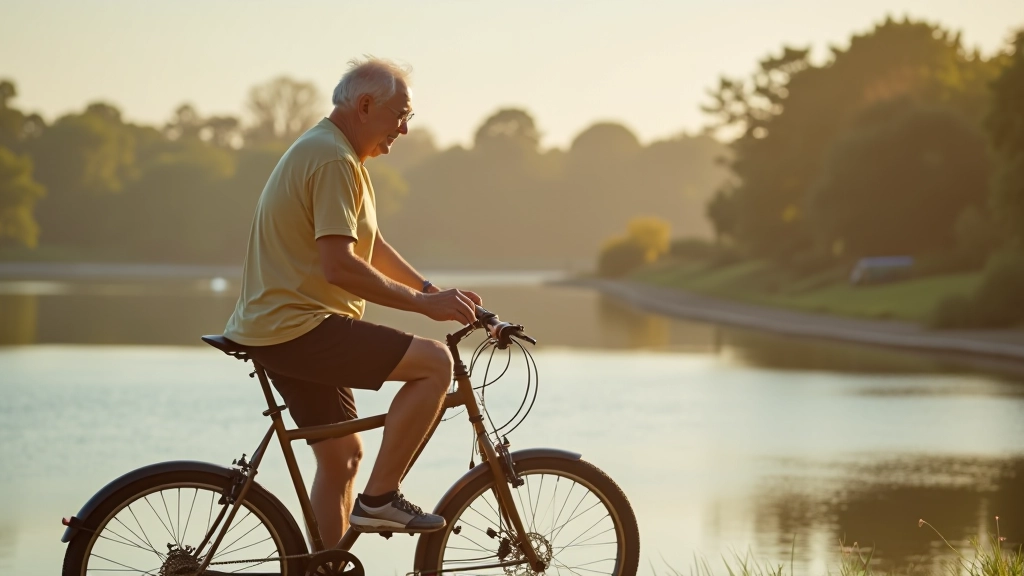
Safe riverside cycling comes down to preparation and awareness. Your bike needs to work reliably — check it before every ride. The weather changes, so dress in layers and adjust your pace accordingly. Bring water, snacks, and basic tools. Share the path respectfully with others. Know your fitness limits and listen to your body.
Most importantly, enjoy it. The canal paths exist because they're beautiful and accessible. You'll see herons along the water, pass through shaded tree tunnels, and feel that satisfying burn in your legs. That's the point. Safety enables the experience — it doesn't replace it.