Getting Started with Canal Path Cycling
Your guide to choosing the right bike, preparing your first ride, and discovering why flat canal routes are perfect for building confidence. We'll cover what gear you actually need—no overcomplicating it.
Why Canal Paths Are Perfect for Beginners
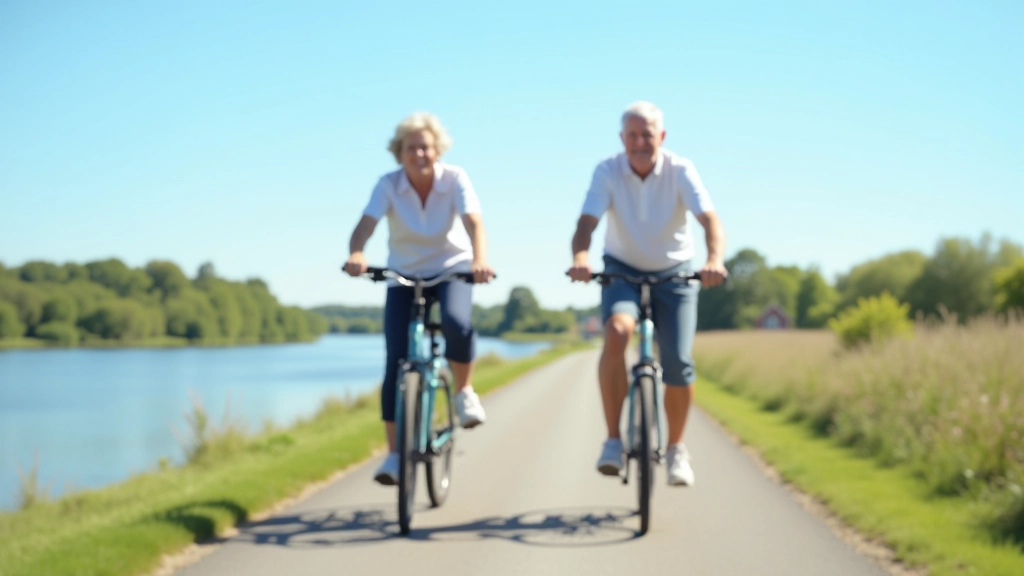
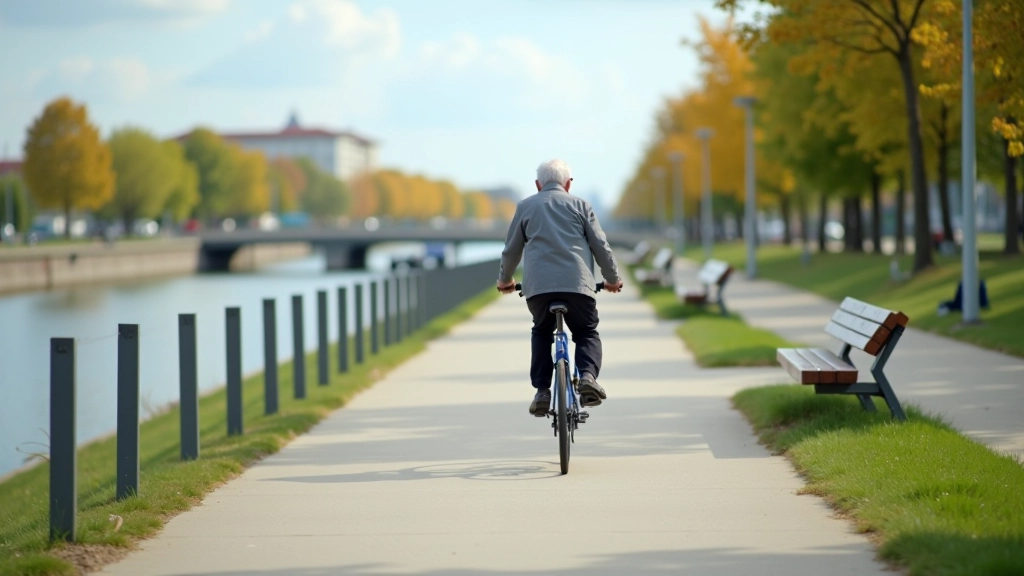
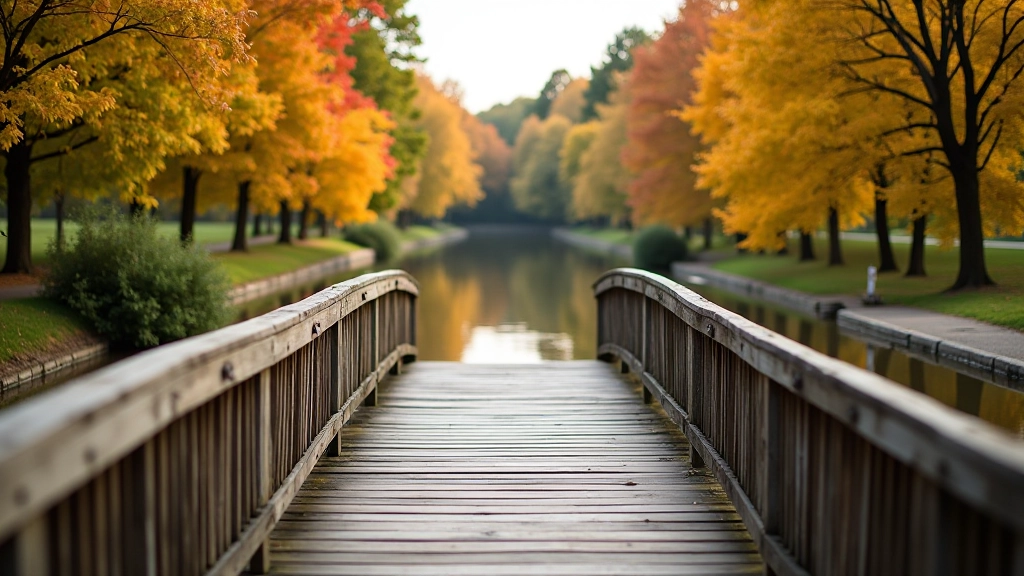
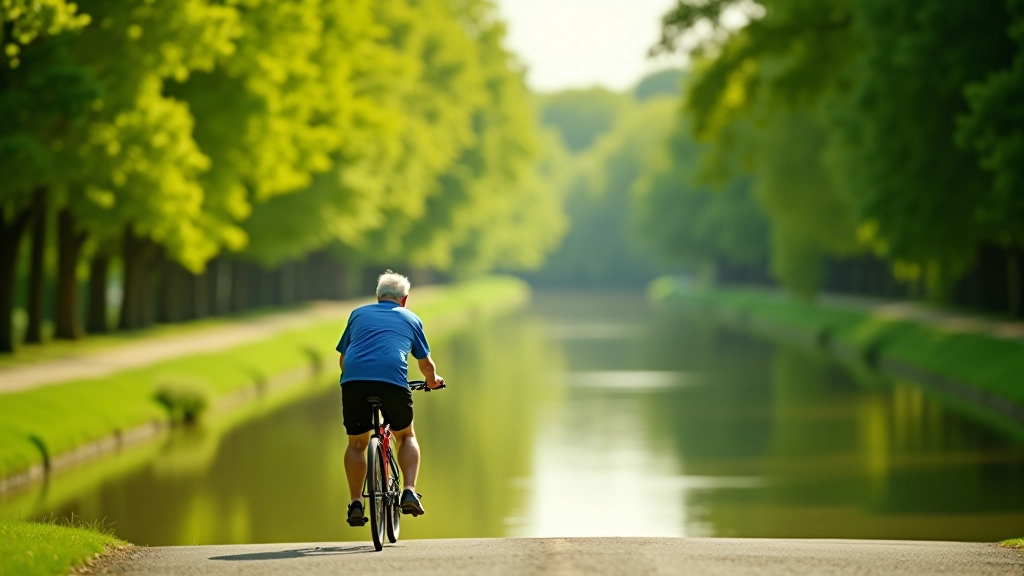
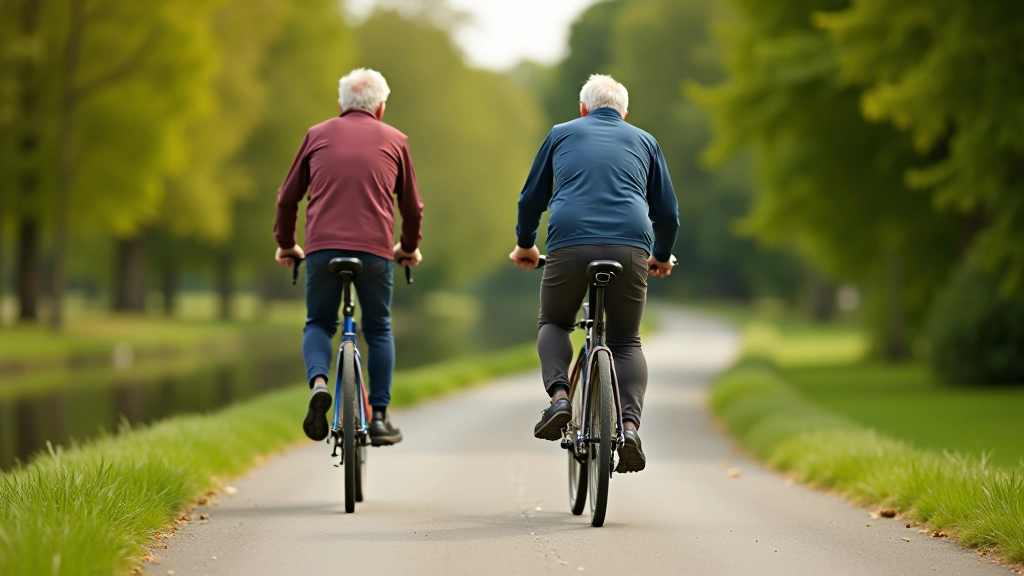
Canal paths offer something special. They're flat, predictable, and honestly quite beautiful. You're not dealing with hills that wear you out or traffic that makes you nervous. The routes around Jelgava and the Svēte bridge area are ideal—peaceful water views, steady pace, and plenty of spots to rest.
The real beauty? You can start at whatever speed feels comfortable. Many beginners worry they'll be too slow or not fit enough. That's not how it works here. You're riding for enjoyment, building strength gradually, and discovering routes that become your regular weekend escape.
This guide covers the essentials—what bike to get, what gear matters, and how to prepare your first ride. Nothing fancy. Just practical advice from someone who's seen hundreds of people discover cycling on these same paths.
Choosing Your First Bike
You don't need an expensive bike. Seriously. Most beginners overthink this part. A hybrid or recreational bike in the €300-600 range will serve you perfectly for canal path cycling. These bikes have wider tires than road bikes—better grip on gravel sections—and a more upright position that feels natural when you're starting out.
What to Look For
- Frame size matched to your height (shop staff can help with this)
- Comfortable saddle—don't settle for the standard one if it bothers you
- Brakes that respond smoothly (disc or rim, both work fine)
- Gears for slight inclines (7-21 speeds is plenty)
Test ride before buying. Ride for 5-10 minutes. Does it feel stable? Can you reach the handlebars comfortably? Are your feet touching the ground when seated? These small things matter more than the brand name.
Gear That Actually Matters
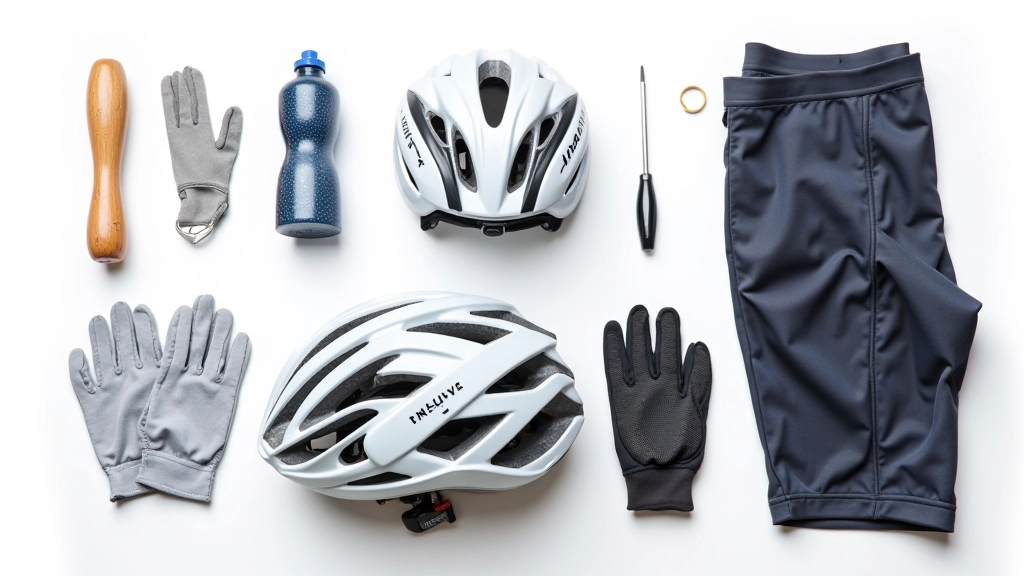
Here's what you genuinely need. Not the fancy stuff—the practical stuff that makes your ride comfortable and safe.
Helmet
Non-negotiable. €30-50 gets you a solid, certified helmet. Wear it every time.
Padded Shorts
Makes a real difference on rides longer than 30 minutes. Your backside will thank you.
Gloves
Protect your hands if you fall, reduce vibration, and keep grip in wet conditions.
Water & Lights
Bring water—you'll need it. Front and rear lights are essential, even for daytime rides near water.
Everything else is optional. Fancy cycling shoes? They're nice but not essential. A computer that tracks your speed? Cool, but you don't need one. Start with the basics, then add as you discover what you actually want.
Important Note
This guide is informational. Before starting any new cycling routine, especially if you have health concerns, consult with your doctor. Wear a helmet at all times. Check local cycling regulations and trail conditions before heading out. Canal paths can be slippery when wet—adjust your speed accordingly.
Preparing Your First Ride
Planning matters, but not in an overwhelming way. A good first ride is about 10-15 kilometers on a calm morning. You're not racing. You're getting familiar with your bike and building confidence.
Start with a route you know—maybe the stretch near your home. Ride at a pace where you can talk comfortably. If you're breathing hard and can't speak, you're going too fast. That's not a failure. That's information telling you to ease off.
1
Check Your Bike
Tires inflated to recommended pressure. Brakes responsive. Gears shifting smoothly. Takes 5 minutes.
2
Plan Your Route
Know where you're going. The Jelgava waterway routes are well-marked. Pick one, memorize key landmarks, and go.
3
Dress Appropriately
Layers work best. You'll warm up after 10 minutes of riding. Bring a light jacket to tie around your waist.
4
Pack Essentials
Water, a basic repair kit, your phone, and ID. That's it. Keep it light.
Questions You're Probably Asking
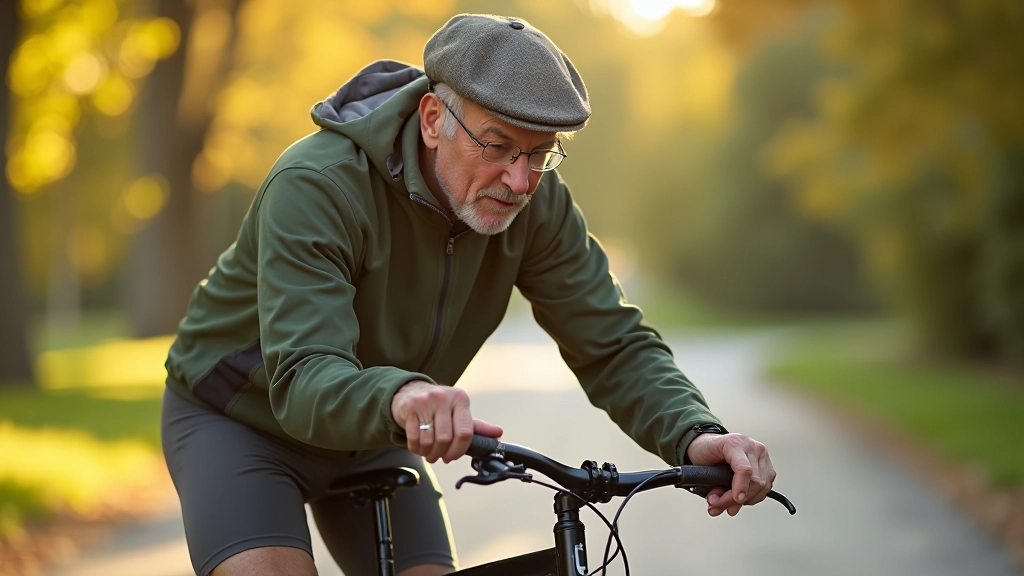
We've heard these before. They're all valid concerns, and the honest answer to most of them is: you'll figure it out as you go.
Will my legs hurt?
Some mild soreness in your thighs is normal for the first few rides. It goes away quickly. If something sharp hurts, that's different—stop and check your bike setup.
What if I get a flat tire?
You learn to fix it or call someone. Most shops will show you how to patch a tube or swap one out. It's not complicated. Bring a spare tube and a pump—you're covered.
How far should I ride?
Start with 10 kilometers. See how you feel. Next time, maybe 15. By week four, you'll naturally be comfortable with 20-25. Don't push hard. Consistency beats distance every time.
What about weather?
Rain doesn't stop you—it just means riding slower and being careful on wet surfaces. Wind is tougher than rain. Extreme heat means early morning rides. Cold means proper layers. You adapt.
Your Next Step
You've got the basics. You know what bike to look for, what gear matters, and how to prepare. Now comes the part nobody can do for you: actually getting on the bike and riding.
Pick a morning next week. Check your bike. Grab your water bottle. Head out to the canal path near you. Ride slowly. Enjoy the view. You'll be surprised how quickly it feels natural.
The Svēte bridge route and Jelgava waterway paths are waiting. They've been there for years, peaceful and steady, just like the pace you'll find when you start riding.

Continue Exploring