Getting Started with Canal Path Cycling
A beginner's guide to choosing the right bike and preparing for your first canal cycling adventure.
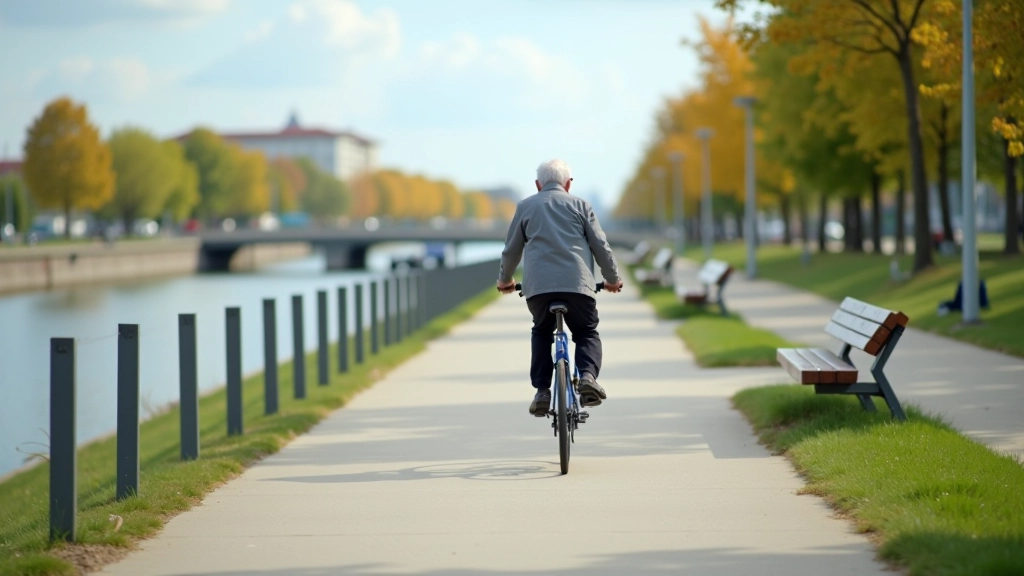
Discover rest areas, cafes, and scenic viewpoints for your cycling journey
The Jelgava waterway isn't just a cycling route—it's a journey through Latvia's natural beauty. Whether you're pedaling for the first time or you've been cycling for years, knowing where to stop makes all the difference. We've mapped out the best spots along the way where you can rest your legs, grab a bite, and soak in the views.
This guide covers the essential stops between Jelgava's city center and the surrounding villages. You'll find information about what each location offers, how far they are from each other, and why cyclists love them. Plus, we've included some hidden gems that most people miss on their first ride.
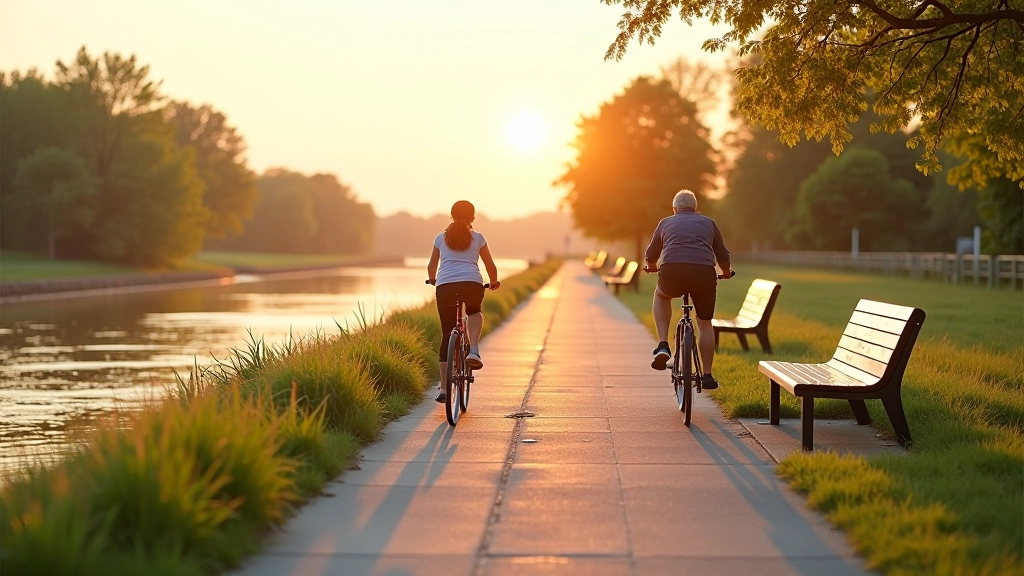
Your journey typically begins at Jelgava's waterfront promenade, right where the Lielupe River flows through the city. This area has everything you need to start: bike rental shops, water fountains, and several cafes where you can grab coffee before heading out.
The first real stop comes at Eleja Park, about 3 kilometers from the city center. It's got benches overlooking the water, clean restrooms, and a small pavilion that's perfect if the weather turns. Many cyclists stop here even for just five minutes to stretch and check their bikes.
About 7 kilometers further, you'll reach the village of Vilces. There's a local shop here and a couple of small restaurants. The pace picks up naturally—most people find they're ready for a real break by this point, especially if they're not used to cycling regularly.
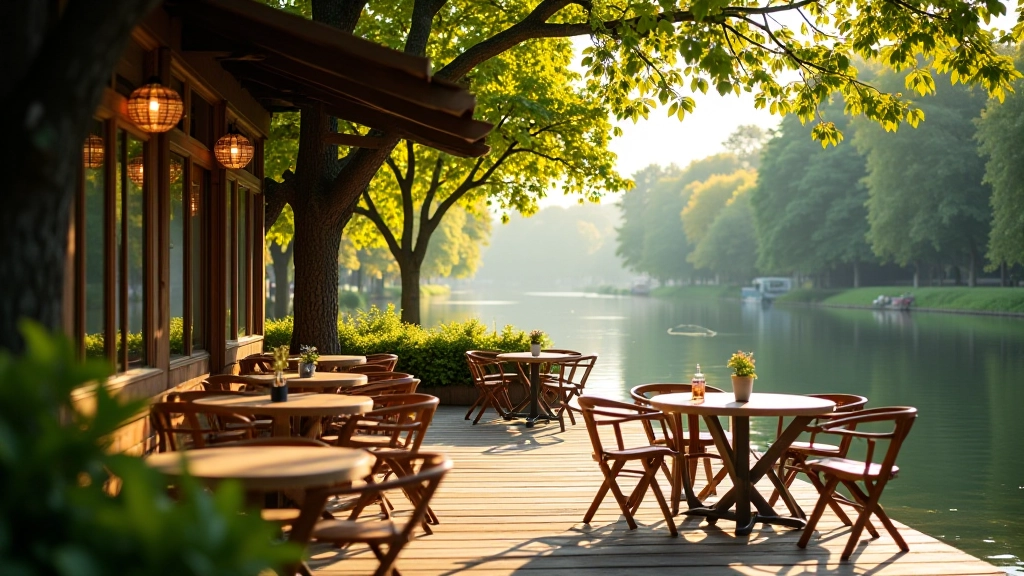
Once you're about 15-18 kilometers into your ride, you'll want a proper lunch stop. The Ozolkalnu area has several excellent options. There's a family-run cafe called Pūpoli that serves traditional Latvian food—their pumpkin soup is fantastic and they're used to cyclists rolling in. The staff won't rush you, and you can sit outside watching the water.
Just before Ozolkalnu, there's an unmarked pavilion with picnic tables. It's shaded and has a great view of the river bend. We've found it's perfect for bringing your own food if you prefer that. No facilities here, so plan ahead.
The Krustpils Bridge area marks another natural stopping point around 22 kilometers. The views here are exceptional—the bridge itself is historic, and you can see across several valleys. There's a small information booth where volunteers share stories about the region's cycling culture.
This guide is informational only and based on conditions as of June 2026. Facilities, hours, and services at stops may change seasonally. We recommend checking ahead before your ride, especially for cafes and restaurants. Weather can affect cycling conditions—always bring a jacket and check forecasts before heading out.
As you continue past the 25-kilometer mark, the route becomes quieter. You're leaving the busier areas and entering the heart of rural Latvia. This is where many cyclists say the real journey begins. The stops here are smaller and more authentic.
Aizpute village, around 30 kilometers from Jelgava, is worth exploring. There's a small general store and a community center where locals sometimes gather. It's not fancy, but it's genuine. You'll get a real sense of what life's like away from the city. The locals are friendly to cyclists—they appreciate people taking the time to experience their area properly.
The final major stop is at Bauska's outskirts, roughly 38-40 kilometers in. There's a riverside park here with excellent facilities, and if you're hungry for a proper meal, there are several restaurants within walking distance from the path. Many cyclists use this as their turnaround point or rest before heading back.
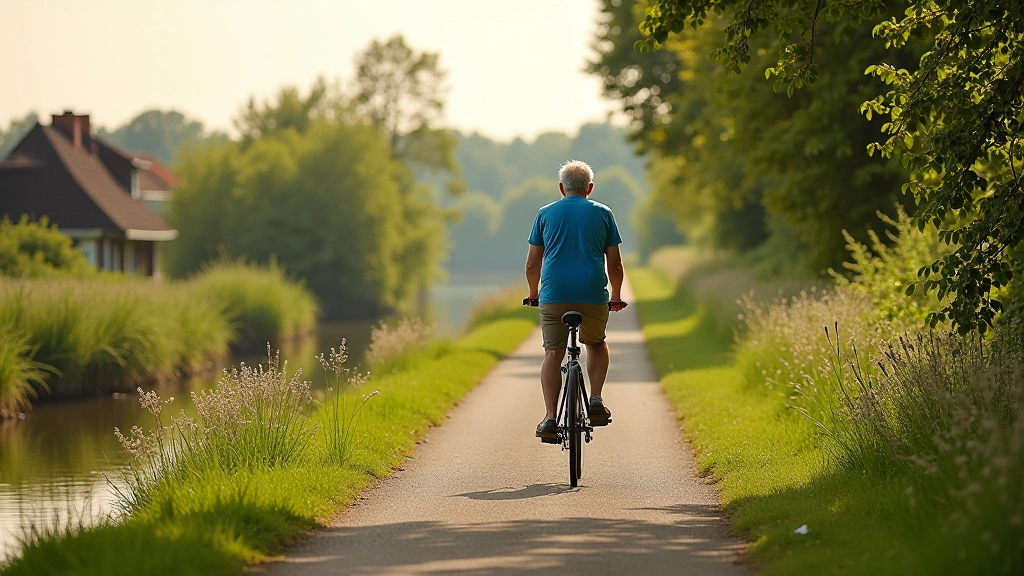
Smart stopping habits make longer rides more enjoyable. Here's what experienced cyclists recommend:
Don't wait until you're thirsty. Drink water at each stop, even if it's just a small amount. Most stops have fountains, and the shops sell bottles if you run low.
Pack snacks—energy bars, fruit, or nuts—for the longer stretches between stops. A light snack every 8-10 kilometers helps maintain your energy without feeling too full.
Each stop offers something unique—bird watching, historical markers, or just sitting quietly by the water. These moments are part of what makes cycling memorable.
At longer stops, take a minute to check tire pressure and make sure nothing's loose. It prevents problems later and only takes a couple of minutes.

The Jelgava waterway isn't a race—it's an experience. The stops we've outlined aren't just places to rest; they're opportunities to connect with the landscape and the communities that shape it. Whether you stop at every spot or just a few, you're giving yourself permission to enjoy the journey at your own pace.
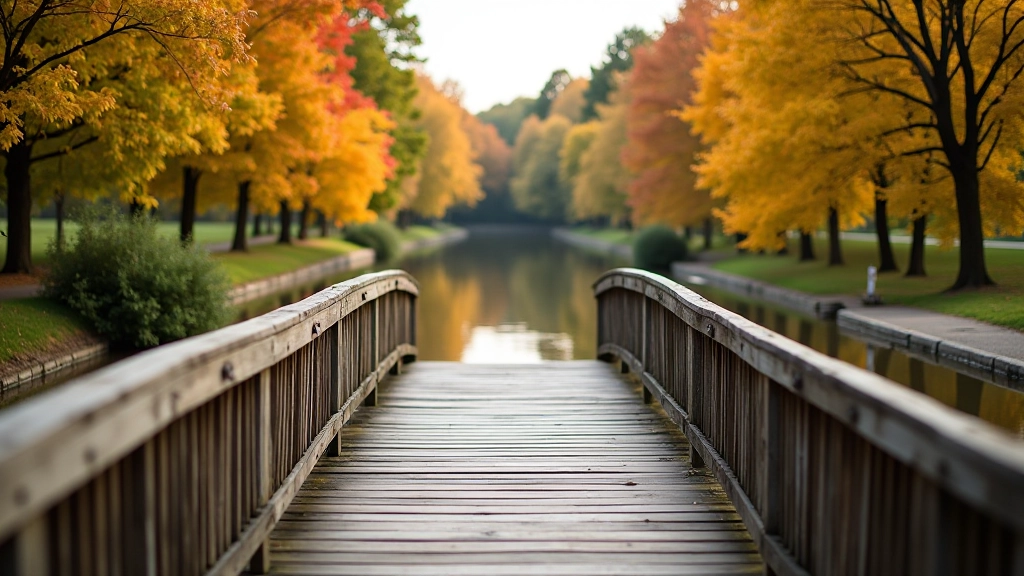
Most cyclists find that 20-25 kilometers per ride is a comfortable distance when you're factoring in stops and breaks. You don't need to cover the whole route in one go. Many people split it over several visits, exploring different sections as the seasons change. Spring rides offer bird watching, summer brings longer daylight, and autumn delivers stunning colors along the water.
Start with a section you're comfortable with, stop when you feel like it, and notice what makes each location special. That's how cycling becomes something you'll want to do again and again.